Finance
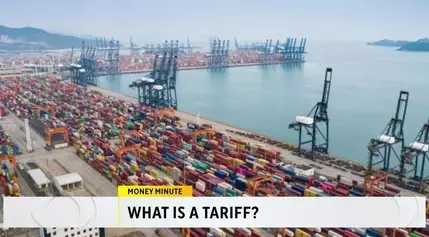
Unraveling the Complexities of Tariffs: A Comprehensive Guide
Tariffs have long been a topic of debate and discussion in the world of economics and international trade. As a fundamental tool in the policymaker's toolkit, understanding the intricacies of tariffs is crucial for businesses, consumers, and policymakers alike. In this comprehensive article, we delve into the nuances of tariffs, exploring their purpose, impact, and the broader implications they hold for the global economy.Navigating the Tariff Landscape: A Powerful Economic Lever
The Essence of Tariffs: Defining the Concept
Tariffs are essentially taxes or duties imposed on goods and services imported into a country. These levies are designed to raise the prices of imported products, making them less competitive compared to domestically produced goods. The primary objectives of tariffs are to protect domestic industries, generate revenue for the government, and influence the flow of trade between nations.Tariffs can take various forms, including ad valorem tariffs (based on the value of the imported goods), specific tariffs (based on the quantity or weight of the imported goods), and compound tariffs (a combination of ad valorem and specific tariffs). The specific type of tariff employed often depends on the industry, the nature of the imported goods, and the economic and political considerations of the implementing country.The Rationale Behind Tariffs: Balancing Domestic and Global Interests
Governments often impose tariffs to achieve a range of economic and political objectives. One of the primary reasons for implementing tariffs is to protect domestic industries from foreign competition. By making imported goods more expensive, tariffs can level the playing field for domestic producers, allowing them to maintain market share and profitability.Additionally, tariffs can be used as a tool to generate revenue for the government. The revenue collected from tariffs can be used to fund various government programs, infrastructure projects, or social welfare initiatives. This revenue stream can be particularly important for countries with limited tax bases or a need to diversify their sources of income.Tariffs can also be employed as a strategic tool in international trade negotiations. By threatening to impose or increase tariffs, countries can leverage their bargaining power to secure more favorable trade agreements or to retaliate against perceived unfair trade practices by other nations.The Ripple Effects of Tariffs: Examining the Broader Implications
The implementation of tariffs can have far-reaching consequences, both for the imposing country and its trading partners. On the domestic front, tariffs can lead to higher consumer prices, as the increased costs of imported goods are often passed on to the end-user. This can result in a decline in consumer purchasing power and a potential reduction in overall economic activity.Moreover, tariffs can trigger retaliatory measures from trading partners, leading to a cycle of escalating trade tensions and the potential for a trade war. This can disrupt global supply chains, reduce the flow of goods and services, and ultimately harm the economic interests of all parties involved.Tariffs can also have unintended consequences, such as the diversion of trade flows, as importers and exporters seek alternative markets or sources of supply to avoid the tariffs. This can lead to a shift in the global trade landscape, with some countries and industries benefiting while others suffer.The Evolving Tariff Landscape: Navigating the Complexities
The global tariff landscape is constantly evolving, with countries continuously adjusting their trade policies to address changing economic and political circumstances. Policymakers must carefully weigh the potential benefits and drawbacks of tariffs, considering the broader implications on domestic industries, consumers, and the country's overall economic competitiveness.As the world becomes increasingly interconnected, the impact of tariffs extends beyond national borders, requiring a nuanced understanding of the global trade ecosystem. Businesses and consumers must stay informed about the latest tariff developments, adapt their strategies accordingly, and seek to mitigate the potential risks and disruptions posed by these trade barriers.In conclusion, tariffs are a complex and multifaceted economic tool that can have far-reaching consequences. By understanding the underlying principles, rationale, and broader implications of tariffs, policymakers, businesses, and consumers can navigate the evolving trade landscape more effectively and make informed decisions that align with their economic interests and the broader global economic landscape.